

When it comes to interior design, some clients can find it difficult to express their needs and vision clearly. This can be especially difficult for clients who aren’t familiar with the design process, or for clients who are neurodivergent and may be considering biophilic interior design, but are not sure what the end result may look like.
Colours, textures, fabrics: these are all key considerations in the early stages of designing any space, and any miscommunication here can delay the design process or potentially make it costly later on.
However, there is a way to articulate themes and design that is both beautiful and fun: mood boards (also known as material boards).
In this article, we will examine what a mood board is, as well as explore five ways that a mood board can help streamline the design process.
What Is A Mood Board?
Mood boards are tools used both in people’s everyday lives and in industries like design and marketing. A mood board is an attempt to capture a feeling or aesthetic that may be difficult to express in words alone, helping to establish the ‘mood’ of a project and can even be used to consider what you aspire to in your life. It can be physical or digital to represent images, materials or for general inspiration.
How Does A Mood Board Help In Interior Design?
Mood boards are an essential tool in interior design. Here, we will be going into detail about five ways that a mood board can help set the course for a range of collaborative projects.
Helps establish colour and materials early
When it comes to any form of design work, it is essential to identify the mood that we are trying to capture. Are we looking for something airy and chic, perfect for spending Sunday mornings with the kids? Or are we looking for something with rich visual colours, drawing the eye and creating gorgeous atmospheres that will capture your attention for hours? Whatever the intention behind the design, mood boards can effectively create a colour palette and design vision that will carry through the entire design process.
Creates opportunities for Clients to work in collaboration with Designers
When working with clients to design spaces, it can sometimes be difficult to articulate yourself well. Some clients may not be able to describe the difference between ‘sheer’ and ‘silky’, but they understand the texture that they want to feel.
Creating a mood board is a great way to start communicating with clients early in the process and establish a level of trust and confidence that can carry into the entire project. Giving clients the opportunity to say ‘this is what I want’ is a great way of allowing them to share their perspectives and have input in the design process.
Allows adjustments to be made to truly match your vision
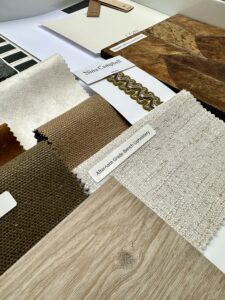
Because mood boards are such a physical medium, they allow plenty of opportunity for aspects of a design to be changed, while
still appreciating the context in which that change is being made.
For example, a client may love the look and feel of a new fabric and wish to add it to their mood board, but once added, they can see that it doesn’t complement the other design elements present. In this case, the client can choose not to add the fabric at all, or may choose to change other design elements to suit the fabric more closely.
This kind of physical articulation can help clients express their desires while also allowing designers a unique insight into the design that the client is trying to express. It can also be highly collaborative, as designers can make suggestions for tone, colour, fabric and shape that might complement a particular design element more closely, allowing them to express a client’s vision more clearly.
Utilises fabric and texture, in addition to colour
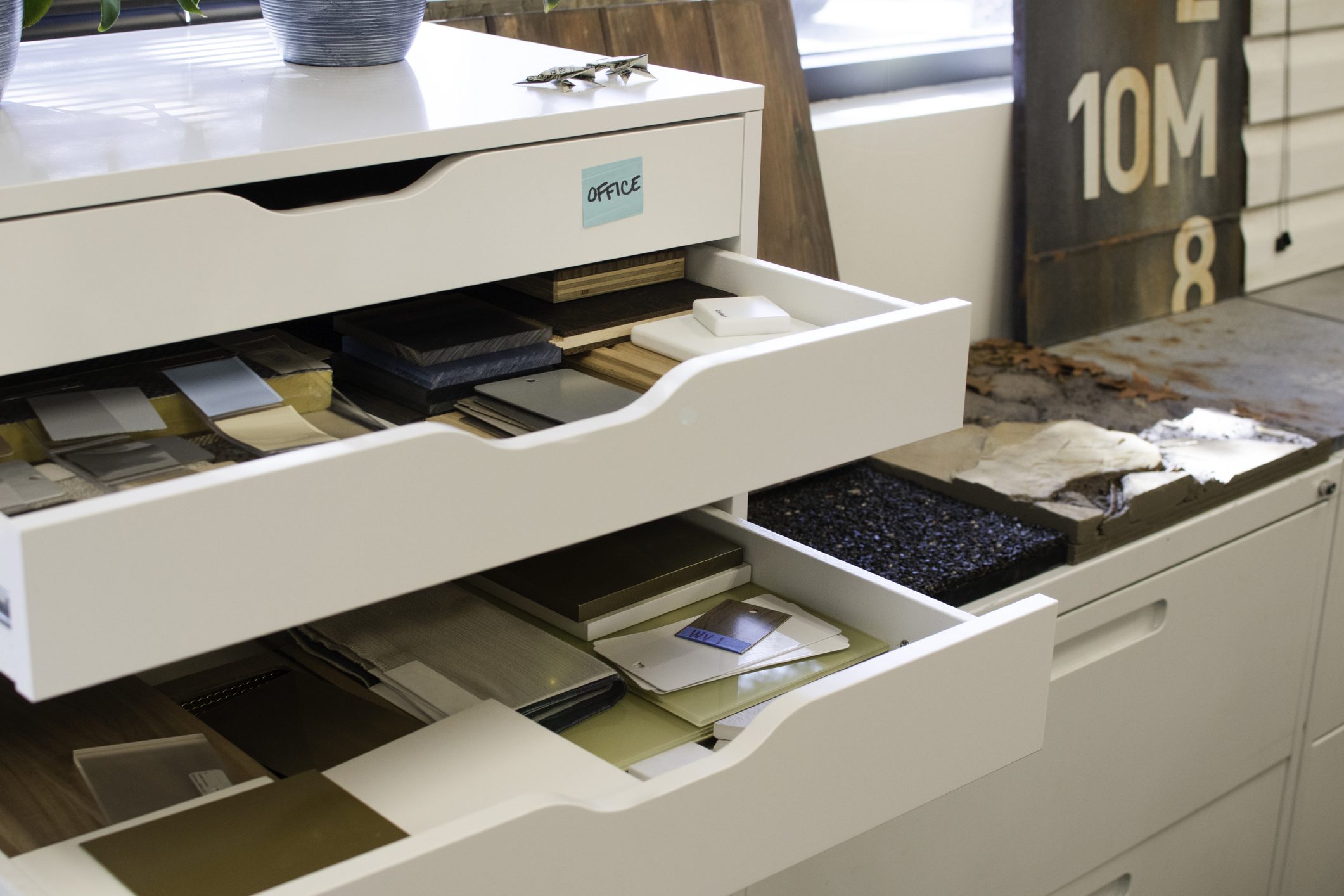
When some people think of mood boards, they still imagine old cork boards filled with magazine clippings and photographs. While there is still space for these types of design elements, a real mood board brings physical samples of a variety of materials onto a curated tray, allowing clients to see how these materials work together.
Take fabrics, for example; linen, cotton, polyester, and wool are all materials that have a unique texture, colour, and even smell, completely distinct from one another. When envisioning a space, we don’t only imagine colour; definition, shape, and the feel of a material all make up part of the space itself, all of which can be identified and refined through the use of a mood board as a medium.
Helps to define the visual narrative of a space
Mood boards are not simply static objects; as the project grows and changes, the mood board can grow alongside it, acting as a physical representation of the journey your design has taken.
A beautifully curated and maintained mood board should help capture the feeling of a space before it even exists, while also reflecting the evolving tastes and desires of the client.
Discover How A Mood Board Can Help With Your Design Process
Although a mood board is only one small step in the design process, it can be a powerful tool to help clients express their desires for a space.
If you are considering taking our professional interior design services for your home, residential or commercial property, a mood board will be part of that design journey. After understanding more about your tastes and the space to be designed, we curate a range of materials from fabrics, wall coverings, veneers, cabinet hardware, tiles and flooring into a physical mood board, often supported by a digital concept board depicting the proposed feel for the space.
Above everything else, mood boards are a fun, intuitive way for clients and designers to collaborate while working with each other to create unique, beautiful properties tailored to their individual tastes.
If you are considering a new interior design project, contact us and ask how a mood board can help you express your visual and textural desires for your space.